Introduction
If you're over 40 and noticing your nails are becoming increasingly fragile, peeling, or breaking easily—while also experiencing more hair shedding than usual—you're not alone. Many adults in this life stage encounter both issues simultaneously, often without understanding why. The connection between these two seemingly unrelated problems is closer than most people realize. Brittle nails and hair loss causes are frequently rooted in the same nutritional deficiencies, and addressing them requires understanding how your body's nutrient intake directly affects the health of these structures. This article explores the nutritional connection between brittle nails and hair loss, helping you identify potential causes and discover practical ways to address them through diet and lifestyle changes. Whether your symptoms are mild or more pronounced, learning about the nutritional foundation of nail and hair health is the first step toward meaningful improvement.
Understanding the Root Causes: Why Both Nails and Hair Suffer Together
Hair and nails are composed of similar structural proteins and require largely the same micronutrients to grow strong and remain healthy. Both are made primarily of a protein called keratin, along with minerals like zinc, iron, and selenium. This shared biological foundation explains why nutritional deficiencies often affect both simultaneously. When your body lacks critical nutrients, it prioritizes vital organs over cosmetic structures like hair and nails. This is an evolutionary survival mechanism—your heart and brain receive nutrients first, while hair and nails are treated as expendable. This triage system is why brittle nails and hair loss causes often point to the same underlying nutritional gaps.
Beyond protein and minerals, B vitamins play a crucial role in the health of both structures. Biotin (vitamin B7), B12, and folate are essential for keratin production and cell division—processes that keep hair follicles active and nails growing. A 2019 study published in Dermatology Practical & Conceptual found that biotin deficiency was significantly associated with brittle nails in participants over 50. Similarly, iron deficiency is one of the most common nutritional causes of hair loss in women, as iron is necessary for maintaining the hair growth phase known as anagen. When iron stores drop, hair prematurely enters the shedding phase called telogen effluvium. The same iron deficiency that causes hair loss can also compromise nail structure, leading to thin, peeling nails that break easily under minor stress.
Recognizing the Signs: How Brittle Nails and Hair Loss Manifest
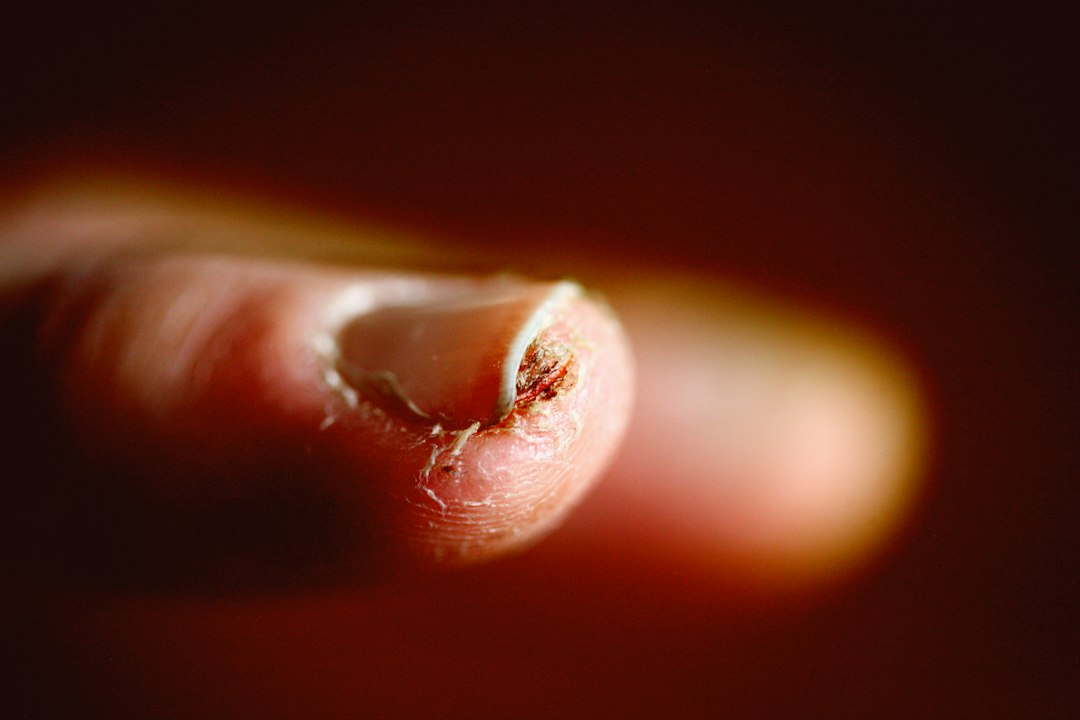
Brittle nails present in several distinct ways. Some people experience horizontal splitting or peeling along the nail bed, where the layers of the nail literally separate from one another. Others notice vertical ridging or brittleness that causes nails to break flush with the skin, sometimes painfully. Your nails may appear dull or discolored rather than shiny, and they might feel thin and flimsy rather than firm. If your nails break frequently despite keeping them short and avoiding harsh chemicals, nutritional deficiency is a likely culprit. Additionally, white spots or lines across the nail (though sometimes benign) can indicate zinc deficiency when they appear across multiple nails simultaneously.
Hair loss related to nutritional deficiency typically manifests as increased shedding rather than sudden baldness. You might notice more hair on your pillow, in the shower drain, or when brushing. A general thinning across the scalp, or sometimes noticeable thinning specifically around the crown or temples, can indicate telogen effluvium—a condition where more hairs than normal enter the shedding phase simultaneously. Unlike androgenetic alopecia (genetic male or female pattern baldness), nutritionally-driven hair loss is often reversible once nutrient levels are restored. Hair may feel thinner, drier, or less lustrous than before. Some people also report hair becoming more prone to tangling or breakage, a sign that the hair shaft itself is structurally compromised. A 2022 review in the American Journal of Clinical Dermatology confirmed that iron deficiency, zinc deficiency, and B vitamin insufficiency are among the most treatable nutritional causes of hair loss in adults.
The Real-World Impact: How This Affects Your Daily Life
Beyond the physical symptoms, dealing with brittle nails and hair loss can have surprising emotional and practical consequences. Many adults over 40 report feeling self-conscious about visible hair thinning or hair that breaks off unevenly, affecting how they style it or feel in social situations. Brittle nails can make simple tasks—typing, opening cans, or applying makeup—genuinely uncomfortable or even painful. Some people find themselves avoiding certain activities to prevent nail breakage, which represents a real limitation on daily life.
Professionally, these changes can feel particularly discouraging. Hair and appearance often factor into first impressions, and many adults report a shift in confidence when noticing significant hair loss or struggling with nails that won't grow properly. Additionally, the financial impact shouldn't be overlooked. Many people invest in expensive salon treatments, nutritional products, or dermatological consultations trying to address these issues without understanding the underlying nutritional deficiency. When the root cause—a lack of specific vitamins, minerals, or protein—isn't identified, these treatments often provide only temporary relief or no improvement at all. Understanding that these symptoms are frequently signals of nutritional imbalance can redirect your efforts toward meaningful solutions rather than costly quick fixes.
Lifestyle and Environmental Factors Worth Addressing
While nutrition is the primary driver, several lifestyle and environmental factors can exacerbate brittle nails and hair loss. Chronic stress elevates cortisol levels, which can accelerate hair shedding and compromise nail health by disrupting nutrient absorption and redirecting resources away from non-essential structures. A 2017 study in Nature Medicine demonstrated that chronic stress can push hair follicles out of the growth phase prematurely, contributing to telogen effluvium.
Sleep quality also matters significantly. During deep sleep, your body increases blood flow to the scalp and initiates cellular repair processes essential for hair and nail growth. Adults who consistently sleep fewer than 6-7 hours may experience accelerated hair loss and slower nail growth. Excessive water exposure—particularly hot water—can weaken nails over time, while harsh chemicals in cleaning products or beauty treatments can damage hair and cause nail brittleness.
Hydration deserves mention too. While drinking water alone doesn't grow hair or nails, dehydration compromises overall cellular function and can worsen dry, brittle nails. Finally, smoking and excessive alcohol consumption both impair nutrient absorption and accelerate hair loss. Addressing these lifestyle factors creates a foundation upon which nutritional improvements can work more effectively. Think of it this way: even with perfect nutrition, chronic sleep deprivation or unmanaged stress can still trigger hair loss and nail problems. A comprehensive approach addresses both nutrition and lifestyle.
The Nutritional Approach: Key Vitamins, Minerals, and Proteins
Understanding exactly which nutrients matter most helps you target your dietary changes effectively. Brittle nails and hair loss causes rooted in nutrition primarily involve protein, biotin, iron, zinc, and B vitamins. Protein should be your foundation—aim for adequate intake daily, as your body cannot store excess amino acids the way it stores fat. Adults over 40 should consume roughly 1.0 to 1.2 grams of protein per kilogram of body weight, particularly if experiencing muscle loss, which often accompanies nutritional deficiency in this age group.
Biotin (B7) is perhaps the most studied nutrient for nail health. A 2015 randomized controlled trial in the Journal of Drugs in Dermatology found that participants taking 2.5 mg of biotin daily showed significant improvement in brittle nails within 3-6 months. You can find biotin in eggs, almonds, sweet potatoes, and salmon. Iron deserves special attention for women over 40, who may be experiencing reduced absorption due to age-related changes in stomach acid or competition from medications like proton pump inhibitors. Red meat, spinach, lentils, and fortified cereals provide dietary iron, though the iron in animal sources (heme iron) is absorbed more efficiently than plant-based iron (non-heme iron).
Zinc is essential for keratin formation and immune function—both relevant to healthy hair and nails. Oysters, beef, pumpkin seeds, and chickpeas are excellent sources. Selenium, another mineral critical for hair health, is found in Brazil nuts (just 2-3 per day provides adequate intake), fish, and eggs. B vitamins—particularly B12 and folate—support cell division and red blood cell formation, essential for maintaining hair growth cycles. B12 is primarily found in animal products, making deficiency more common in vegetarians and vegans. Finally, vitamin C supports collagen formation and iron absorption, making it a nutritional multiplier. Citrus fruits, berries, bell peppers, and leafy greens are excellent sources.
This is why many adults turn to targeted nutritional support formulas—one such option is Trimology, which combines many of these key nutrients in one supplement. Rather than juggling multiple individual supplements, a well-formulated product can ensure you're addressing the most common deficiencies linked to hair and nail health.
Practical Dietary Changes to Start This Week
Rather than overhauling your diet overnight, consider adding or emphasizing these nutrient-dense foods: include a protein source at each meal (eggs, Greek yogurt, fish, poultry, legumes), add leafy greens to at least one meal daily, incorporate fatty fish 2-3 times weekly for omega-3s and selenium, and include one zinc-rich food daily. Snacking on nuts or seeds adds biotin and other minerals. These incremental changes are sustainable and don't require special products or complicated meal planning.
If you suspect deficiency is severe—for instance, if you're vegetarian and experiencing significant hair loss, or if you've had gastric surgery affecting nutrient absorption—consider consulting a healthcare provider about blood work to confirm specific deficiencies. This diagnostic approach prevents guessing and ensures your efforts target actual nutritional gaps rather than assumptions.
Frequently Asked Questions
Q: How long does it take to see improvement in nails and hair after addressing nutritional deficiency?
A: Hair growth takes time because hair follicles operate in cycles lasting 2-6 years. You might notice reduced shedding within 4-6 weeks of addressing deficiency, but visible improvement in hair thickness typically takes 3-6 months. Nails grow more quickly—roughly 3 mm per month—so nail improvements may become visible within 8-12 weeks if you're addressing the deficiency adequately.
Q: Can brittle nails and hair loss be caused solely by stress without nutritional deficiency?
A: Stress alone can trigger telogen effluvium and compromise nail health, but prolonged stress typically exacerbates existing nutritional deficiencies rather than causing them independently. Stress reduces nutrient absorption and increases cortisol, which redirects resources away from hair and nails. Most cases of stress-related hair loss improve faster when nutrition is simultaneously optimized.
Q: Are supplements necessary, or can I address this purely through diet?
A: For many people, dietary changes alone are sufficient if deficiency is mild to moderate and absorption is normal. However, age-related absorption changes, certain medications, and severe deficiency may require supplemental support. A healthcare provider can help determine whether dietary approaches alone will be adequate for your situation.
Moving Forward
Brittle nails and hair loss don't have to be permanent fixtures of aging. When these symptoms emerge, they're often your body's way of signaling nutritional imbalance—a message worth paying attention to. By understanding the nutritional connection between these two problems, you can move beyond cosmetic treatments and address the underlying cause.
Start by honestly assessing your protein intake, stress levels, and sleep quality. Add nutrient-dense foods to your diet. If dietary changes alone don't produce noticeable improvement within 2-3 months, consider whether supplemental support might help. Remember, consistency matters more than perfection. Small, sustainable dietary changes accumulate into meaningful health improvements over time.
If you're struggling with both brittle nails and hair loss and basic dietary changes haven't been enough, exploring a supplement formula designed around these specific nutrients might be helpful. Learn more about what Trimology offers and whether it aligns with the nutritional factors discussed in this article.